As you navigate the challenges of climate change and rising energy costs, sustainable construction has emerged as a critical focus in modern architecture. However, the conversation is evolving beyond traditional green building toward specialized and high-performance builds, where performance takes center stage.
In this shift, sustainability transforms from environmental stewardship into the foundation of performance engineering for creating superior builds. Throughout this article, you’ll discover how sustainable methods directly contribute to performance outcomes like improved structural resilience and operational efficiency.
Building a Resilient and Efficient Envelope
Your building’s performance is fundamentally defined by its envelope—the roof, walls, floor, and windows. Insulated Concrete Form (ICF) construction serves as an excellent example, delivering both superior energy efficiency and enhanced resilience.
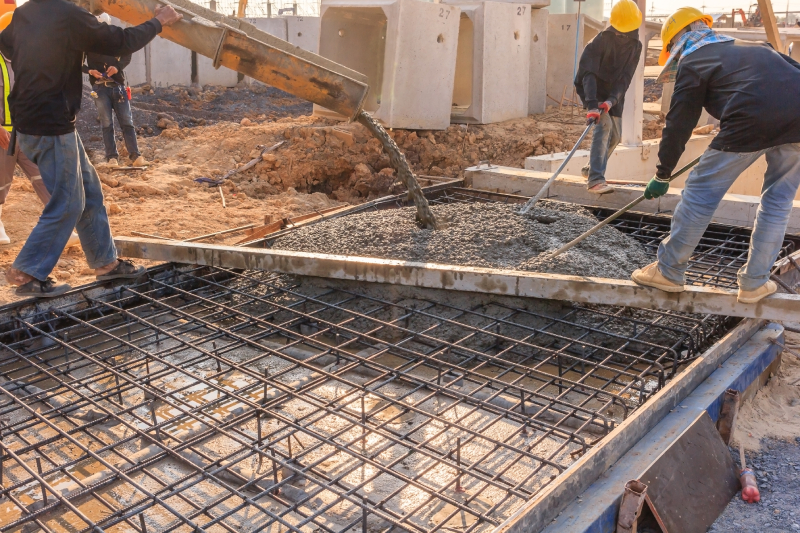
ICF construction consists of interlocking, hollow blocks filled with concrete, which provides exceptional insulation and thermal mass. The high thermal mass from the concrete in ICF walls keeps interior temperatures consistent, significantly reducing energy consumption for heating and cooling. Furthermore, ICFs offer remarkable durability against natural disasters like hurricanes and earthquakes, making them a safe and sustainable choice.
Beyond the core structure, let’s consider other materials that enhance the envelope’s strength. Utilizing materials like recycled steel and Cross-Laminated Timber (CLT) provides superior strength, which is crucial for seismic resilience. Moreover, using sustainably sourced or recycled materials lowers the building’s embodied carbon footprint, a key aspect of green building.
What about the final components? Completing the high-performance envelope involves more than just walls and a frame. Investing in energy-efficient windows and doors is critical for creating a complete thermal barrier and significantly reducing energy loss.
With a resilient and efficient envelope secured, the focus can then shift to the internal mechanical, electrical, and plumbing systems that drive the building’s daily operational performance.
Optimizing Internal Systems for Health and Efficiency
The Mechanical, Electrical, and Plumbing (MEP) system isn’t just about basic operations; it’s where your building’s energy consumption and overall sustainability are fundamentally decided, because it serves to optimize performance.
Sustainable MEP design directly leads to reduced energy consumption; for example, high-efficiency HVAC systems can slash electricity use by up to 35%, and they also provide superior thermal comfort and improved indoor air quality. Beyond cutting energy costs, these systems ensure that when occupants experience consistent conditions, they benefit from a healthier environment, much like how every component in a well-designed space engages and persuades for better well-being.
Water conservation is achieved through practical measures:
- Install low-flow fixtures that use 40% less water.
- Implement greywater systems for recycling wastewater.
- Apply these strategies to reduce dependency on municipal supplies.
Moving from mechanical efficiency to human factors, Indoor Environmental Quality (IEQ) emerges as a critical performance indicator—this shift highlights that it’s not just about systems but about how material choices influence occupant health.
Specifying low-VOC and non-toxic materials, such as certain paints or insulation, is fundamental; for your building to foster a healthier living environment, it needs to incorporate options that reduce emissions and enhance air quality, as people relate to safer spaces by seeing the benefits in their daily experiences. These materials significantly reduce indoor air pollution, making IEQ a priority over quantity, and this approach keeps the indoor environment straightforward and effective.
A superior IEQ doesn’t just enhance well-being; therefore, for occupant productivity to be impactful, prospects must already associate it with a healthier space, and this connection can set you leagues ahead in performance, much like how showcasing real benefits bridges gaps and nudges users toward conversion.
Effectively articulating these performance-based outcomes is key to gaining client buy-in; if your project highlights energy savings, health improvements, and productivity boosts, you should take a deeper look at how to communicate this value, as at the heart of every successful build lies the ability to persuade and convert interest into action.
Translating Performance Into Client Value
However, even your most innovative, specialized, and high-performance builds can face significant client skepticism, which often arises from concerns about costs and perceived risks.
The key to securing buy-in isn’t a deeper dive into technical jargon but a strategic shift in communication: Translating Concepts to Business Outcomes. This approach reframes sustainable features as direct solutions to a building owner’s primary concerns, focusing on performance outcomes such as:
- Operational costs
- Risk management
- Long-term asset value
For instance, energy modeling data does more than predict consumption; it provides clear projections on reduced operating and maintenance costs over the building’s life cycle. As an architect or designer, you can present this not as complex calculations, but as a glimpse into future energy savings.
Similarly, highlighting features with dual advantages strengthens the business case. ICFs, for example, not only promise significant energy savings but also accelerate construction schedules, which reduces labor costs and project timelines.
Furthermore, you can frame technical concepts like “low embodied carbon” as future-proofing against potential carbon taxes, ensuring long-term economic sustainability.
Likewise, solar panels and green roofs are not just environmental choices; they increase property value and extend the lifespan of materials, offering tangible long-term savings.
By mastering this language, architects and designers transform proposals from a list of features into a compelling business case for a superior, high-performance asset.
Read More : A Modern Guide to Concrete Reinforcement and Protection
Engineering the High Performance Builds of Tomorrow
Ultimately, when examining high-performance builds, it’s not so much a division between performance and sustainability as it is their essential unity; hence, genuine performance is intrinsically rooted in sustainable principles.
By integrating resilient building envelopes for durability, optimizing internal MEP systems for efficiency, and clearly communicating value to clients, you establish a holistic methodology that advances construction excellence.
This comprehensive approach, fundamentally driven by sustainability, not only ensures that high-performance builds achieve resilience and economic sustainability but also directly facilitates their future-proofing for enduring success.