Your building’s envelope is the integrated system of roof systems, wall systems, windows, and below-grade structures that collectively form its protective shield. This system safeguards your building and its occupants from environmental forces like rain and snow while controlling the internal environment. Therefore, effective weatherproofing is not just a construction detail but a critical asset protection strategy that ensures property value preservation.
When water breaches your building’s envelope, it not only threatens structural integrity but also triggers financial consequences that erode property value. This guide provides a strategic framework for understanding high-performance exterior finishes and cladding systems, exploring the system from the ground up to transform weatherproofing into a value preservation strategy.
Protecting the Building From the Ground Up
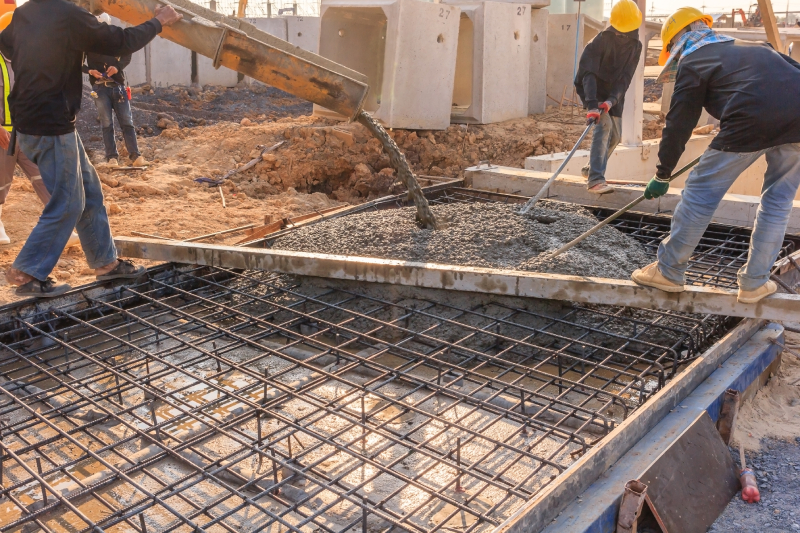
Protecting your foundation is the most critical step in weatherproofing, as below-grade repairs are exceptionally difficult and costly after construction.
Hydrostatic pressure, the buildup of groundwater, forces moisture through weak points in the foundation, leading to water infiltration. This moisture intrusion can cause the decay of embedded steel and ultimately result in compromised structural integrity, a severe risk for any building. Therefore, an effective below-grade waterproofing system consists of several interacting components designed to manage water, not just a single barrier.
The essential steps in this system include:
- Proper site grading to divert surface water away from the foundation area initially.
- Installing a drainage system, such as perimeter drain tile, to collect and carry groundwater away from the foundation walls.
- Correctly applying a high-performance waterproof membrane or coating to the foundation itself.
- Using positive grade backfill that slopes away from the structure to ensure water continues to flow away.
These elements—grading, drainage, membranes, and backfill—must work together to provide complete protection for the foundation and safeguard the building’s long-term asset value.
Once the below-grade foundation is secured against moisture, attention must turn to the vertical building envelope: the wall systems that serve as the primary barrier against weather.
Selecting High-Performance Wall Systems and Exterior Finishes and Cladding
As you shift focus from the foundation, you’ll find that modern wall systems are engineered not just for aesthetic appeal but also for crucial protection against the elements.
Your choice of cladding, whether it’s brick, stone, or siding, must integrate with waterproof membranes—sheet-based or liquid-applied—that form the primary barrier preventing moisture passage. This is where high-performance rainscreen systems come into play; they create a drainage plane behind the cladding to actively channel away any water that breaches the outer surface.
This drainage plane is essential because it prevents moisture entrapment within the wall cavity, a common culprit behind long-term structural damage. Therefore, beyond the rainscreen, waterproof coatings and sealants are crucial; they fill gaps and create a seamless, monolithic barrier against water intrusion.
However, extended exposure to UV radiation and significant temperature variations accelerates the aging and deterioration of these materials over time. As a result, cracks, blisters, and surface erosion can develop; hence, the system’s water-repellent ability is compromised. Therefore, applying high-performance coatings and selecting materials with freeze-thaw resilience ensures durable, long-term protection for your wall assembly.
While robust wall systems create a formidable primary barrier, the most common and costly failures often occur at penetrations like windows, doors, and other openings within the building envelope.
Addressing Failure Points at Windows, Decks, and Balconies
When your window perimeters are improperly sealed, they represent the single most common source of moisture intrusion in your building, a critical failure point that demands immediate attention to prevent extensive damage.
To counter this, invest in three essential layers of protection for your windows:
- Install continuous pan flashing with end dams to direct water outward effectively.
- Apply a back-to-back sealant application using high-performance sealants rated for long-term durability.
- Design proper sill plates to create drainage pathways that allow any penetrating moisture to exit the system.
Similarly, podium deck and balcony damage is another frequent waterproofing challenge you must address. These elevated surfaces face constant exposure to the elements; hence, pooling and rainwater can penetrate the underlying structure without adequate protection.
This water intrusion often results in corrosion of steel reinforcements, concrete spalling, and interior water damage—all of these can jeopardize structural integrity and reduce occupant comfort. Therefore, implement methods for protecting surfaces:
Apply sealants, waterproof membranes, and protective coatings to create a robust shield against moisture.
Additionally, focus on improving drainage by installing scuppers, proper slopes, and drains to ensure water is effectively diverted and does not accumulate.
By addressing these high-risk areas with integrated components like flashing systems and sealants, you elevate weatherproofing from a reactive necessity to a proactive investment strategy that safeguards your building’s long-term value.
Read More : Beyond Green Checklists: The Future of Specialized and High-Performance Builds
Adopting a Proactive Weatherproofing Strategy
Implementing a comprehensive weatherproofing strategy is a smart investment in your building’s longevity and performance. Therefore, proactive maintenance preserves your property value and ensures the system functions effectively.
In fact, smart property owners understand that every dollar invested in proactive weatherproofing saves $4 to $6 in future repair costs, demonstrating a strong Return on Investment (ROI). This approach is your most effective asset protection strategy for ensuring asset longevity.
Ultimately, by viewing exterior finishes and cladding through a strategic investment lens, you secure superior long-term returns and protect your building’s integrity.