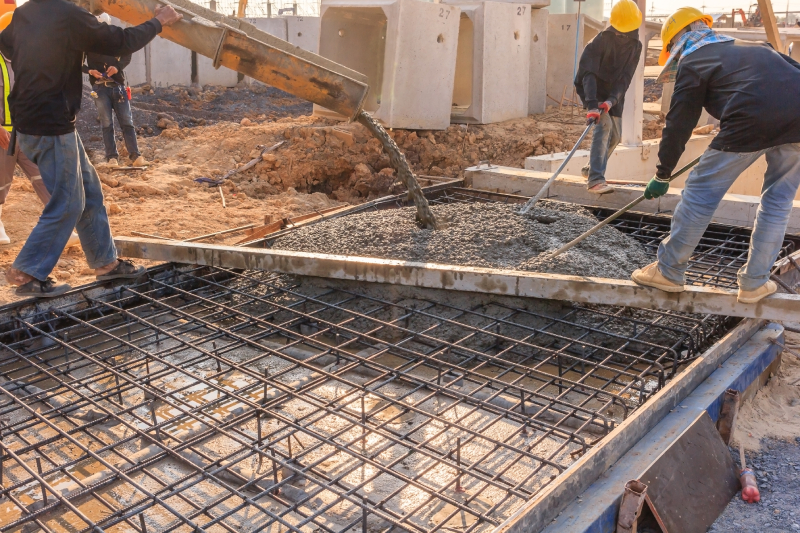
You dream of a beautiful home transformation, but behind every stunning renovation lies a truth many learn the hard way: designs built on compromised foundations simply won’t endure.
In fact, structural integrity is the silent partner to every successful renovation and restoration project. Overlooking it can:
- Lead to expensive overhauls.
- Decrease your home’s value.
- Even threaten your family’s safety.
However, addressing these issues isn’t just a necessity; it’s a smart investment in your property’s long-term security and value.
This guide will equip you to distinguish between superficial fixes and essential structural repairs, starting with the key warning signs to look for.
Recognize the Warning Signs of Structural Damage
It’s crucial to recognize the early signs of structural damage to address issues before they escalate into major problems. Your home often communicates these problems through tangible warning signs you shouldn’t ignore.
For instance:
- Visible cracks in your foundation or walls, especially those that widen over time, are clear signals of underlying structural stress.
- If doors or windows become difficult to open or close, it can indicate foundation movement.
- Uneven or sloping floors are another common sign that could point to foundation settlement.
- You might also notice bowing or leaning walls, a sign that often points to significant structural strain.
- A sagging roof isn’t just a cosmetic flaw; it often indicates serious structural damage.
- Furthermore, persistent moisture in a basement or crawl space can erode surrounding soil, weakening the very ground your foundation rests upon.
Many of these problems are rooted in foundation movement, which can be caused by poor drainage or shifting soil issues. While some minor settling is normal, these persistent warnings shouldn’t be ignored in your renovation and restoration plans.
Understand the Financial and Safety Risks of Neglect
Ignoring these structural warning signs quickly turns your renovation dream into a financial and safety nightmare.
- Unaddressed structural damage leads directly to decreased property value, as homes with compromised integrity are worth significantly less on the market.
- Furthermore, insurance providers view these properties as high-risk liabilities. This perspective often results in higher home insurance costs or even an outright denial of coverage.
- Additionally, lenders are often hesitant to approve financing for a home with unresolved issues, which can derail a potential sale or refinancing effort.
Beyond finances, neglecting these problems introduces serious safety hazards. For example, a weakened foundation could fail during a storm, or a sagging roof could collapse, endangering occupants. What begins as a minor issue can also escalate quickly, leading to compounding damage and the kind of high repair costs that could have been avoided with early intervention.
For design professionals, discovering these problems mid-project derails budgets and timelines, leading to eroded client trust as clients face unexpected expenses. These risks underscore why a reactive approach is insufficient; a proactive strategy is essential to protect your investment.
Read More : A Practical Guide to Structural Elements in New Construction
Integrate a Structural Assessment Before Finalizing Designs
If you’re planning a major renovation, the smartest step you can take is to conduct a pre-design structural assessment before finalizing your design plans. This proactive approach identifies hidden structural issues early, allowing you to address them before they escalate into major problems.
By uncovering these concerns upfront, you can seamlessly incorporate necessary repairs into your project’s scope and budget, ensuring a smoother process. Therefore, this strategy prevents costly surprises and serves as crucial Investment Protection for your home, safeguarding your financial commitment.
A pre-design structural assessment requires a professional evaluation from a licensed structural engineer or an experienced licensed contractor. Their expert assessment will determine the extent of any underlying problems and outline the necessary repairs, providing a clear and actionable path forward.
For an architect and interior designer, this process protects your design vision from being compromised by unforeseen structural limitations. For instance, discovering an unexpected load-bearing wall late in the design phase can derail your creative plans, but an early assessment avoids this setback entirely.
Structural parameters, when understood early, are not obstacles to creativity but parameters that inspire more innovative and tailored solutions. This collaborative approach between you, your designer, and structural professionals ensures that your Renovation is both aesthetically pleasing and structurally sound.
Ultimately, integrating a structural assessment bridges the gap between design vision and structural reality, making it an essential part of any successful renovation and restoration project and setting the stage for a safe and enduring home transformation.
Build Your Renovation on a Foundation of Certainty
Prioritizing your home’s structural integrity is a forward-thinking investment that secures its long-term stability and enhances its market value. A well-maintained structure not only boosts your home’s resale price but also fundamentally improves home safety for your family.
By committing to proactive maintenance, including regular professional inspections, you enable the early detection of issues, preventing them from escalating into high-cost repairs.
Ultimately, embracing this approach for any renovation and restoration project grants you the invaluable peace of mind that comes with a secure home. If you’ve observed any warning signs, a professional assessment can ensure your renovation rests on a solid and dependable foundation.